原創練習 · 情境選字

KET(A2)單字練習
8 個主題・64 題

作者:Christopher|埃森美語創辦人|美國密西根大學畢業、美國正式教師執照|最後更新

官方的 A2 Key 字表是劍橋出版的一份 PDF,我們只提供連結、不轉貼裡面的內容。下面這些練習題是埃森美語自己寫的,用官方公布的主題分類(Education、Food and Drink 這一類)當骨架,把字放回句子裡練。這樣安排的理由很簡單:考試不會直接問你某個單字的中文意思,而是看你在一整句話裡認不認得出來、用不用得準。每一題的解析都會說明另外幾個選項為什麼不行,那通常才是真正要學的地方。

官方字表:A2 Key and A2 Key for Schools Vocabulary List(2025 年 8 月版)(劍橋官方 PDF,版權屬 Cambridge University Press & Assessment,本頁只提供連結、不轉存內容)。官方 PDF 沒有標示總字數,粗估主表約 1,600–1,700 個詞條,另有數字、星期、月份、國家等分類補充表。

官方字表的 Appendix 2 把單字按主題分組,這 20 個主題名稱就是官方使用的分類。

AppliancesClothes and AccessoriesColoursCommunication and TechnologyDocuments and TextsEducationEntertainment and MediaFamily and FriendsFood and DrinkHobbies and LeisureHouse and HomeMeasurementsServicesShoppingSportThe Natural WorldTimeTravel and TransportWeatherWork and Jobs
完整模擬試卷

想整份計時做完嗎?

這一頁的線上練習永遠免費。想整份計時做完,我們自己出了完整模擬試卷——題目卷、中文逐題解析、聽力音檔。線上刷卡不用離開這一頁,付款後檔案立刻寄到信箱。
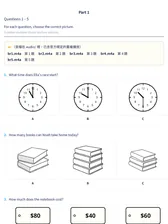
劍橋英檢模擬試題題目卷內頁
題目卷
劍橋英檢模擬試題逐題中文解析內頁
中文解析
聽力音檔波形
聽力音檔
劍橋英檢模擬試題口說圖卡內頁
口說圖卡
主題練習

把單字放回句子裡練

每一題都是一個句子,四個(或三個)選項意思相近,只有一個放進去讀得通。這正是考試考字彙的方式——不會問你中文意思,而是看你在句子裡認不認得出來。

01

學校與課業Education

學校生活的字幾乎每一份考卷都會出現,最常考的不是艱深的字,而是 lesson 和 subject、teach 和 learn 這種意思相近但用法不同的一組。

做 8 題練習

1.We have four English ______ every week, on Monday, Tuesday, Thursday and Friday.

A:✓ lesson 是「一堂課」,可以數次數,一週四堂就用 lessons。

B:✗ subject 是「科目」,English 本身就是一個科目,一個人不會有四個 English 科目。

C:✗ answer 是「答案」,跟一週上幾次課沒有關係。

2.I always do my ______ before dinner, so I can watch TV later.

A:✗ lesson 是課,課的動詞是 have a lesson,不能用 do。

B:✓ 作業的固定搭配是 do homework,而且作業本來就是回家做的。

C:✗ exam 是考試,動詞要用 take an exam,也不會每天在家考。

3.Sorry, I don't know this word. Can I use your ______ ?

A:✗ timetable 是課表,上面寫的是上課時間。

B:✓ 查生字要用字典 dictionary。

C:✗ notebook 是筆記本,裡面只有自己抄的東西,查不到生字的意思。

4.Our class ______ at eight o'clock and finishes at four.

A:✓ 課程、電影這類「活動」開始要用 start,後面的 finishes 也證明前後是一組對照。

B:✗ open 用在店家、門窗這種可以打開的東西,一堂課不會 open。

C:✗ arrive 是人或車「抵達」,主詞必須是會移動的人事物。

5.Ms Chen ______ us how to write an email in English.

A:✗ study 是自己用功研讀,也不能說 study us。

B:✓ teach 是「教別人」,後面可以直接接 us,過去式是 taught。

C:✗ learn 是自己學會,後面不能接「教誰」這個受詞。

6.My favourite ______ is history, because I like stories about the past.

A:✗ classroom 是教室這個空間,history 不是空間。

B:✓ history 是一門科目,「最喜歡的科目」要用 subject。

C:✗ lesson 指的是某一堂課的時間,不是科目的名稱。

7.填入一個字:We have a two-week ______ in July, so there is no school and I can visit my grandmother.

學校不用上課的那段時間是 holiday(英式)或 vacation(美式),寫 break 也算對;空格前面的 two-week 和後面的 there is no school 都指向「假期」。

8.填入一個字:Our teacher asked a question, but nobody knew the ______ .

question(問題)對應的字就是 answer(答案);前面已經出現 asked a question,後面說沒有人知道,缺的只能是答案。

02

食物與飲料Food and Drink

點餐、餐廳、三餐是 A2 聽力和閱讀的常客,失分多半出在量詞(a glass of/a bowl of)和 make 與 do 的分別。

做 8 題練習

1.I didn't eat breakfast, so I was very ______ by eleven o'clock.

A:✗ thirsty 是口渴,口渴是因為沒喝水,跟沒吃早餐對不上。

B:✗ tired 是累,通常來自睡不夠或運動過度。

C:✓ 沒吃東西會覺得餓,hungry。

2.Can I see the ______ , please? I want to know what soup you have today.

A:✗ bill 是吃完之後要付的帳單,上面是金額不是菜色。

B:✗ ticket 是票,電影票、車票才用這個字。

C:✓ 餐廳裡列出有哪些菜的是 menu(菜單)。

3.My mother ______ a cake for my birthday last Saturday.

A:✗ take 是拿、帶走,蛋糕不是被拿出來的。

B:✓ 做出一樣東西用 make,蛋糕的固定說法是 make a cake,過去式 made。

C:✗ do 中文也翻成「做」,但英文的 do 用在事情、工作,不用在做出一個具體的東西。

4.Would you like a ______ of orange juice with your lunch?

A:✗ bowl 是碗,用來裝湯或飯,不會用來點一杯飲料。

B:✓ 果汁是液體,裝在杯子裡,量詞用 a glass of。

C:✗ plate 是平的盤子,盛不住果汁。

5.These apples are very ______ , so I don't need to add any sugar.

A:✓ 不必加糖表示本身就甜,sweet。

B:✗ salty 是鹹的,鹹的東西加糖沒有道理。

C:✗ hot 用在食物上是「辣」或「燙」,跟糖無關。

6.We usually have ______ at about seven in the evening, after my father gets home.

A:✗ breakfast 是早上起床後的第一餐。

B:✗ lunch 是中午那一餐,大約十二點。

C:✓ 晚上七點吃的那一餐是 dinner,三餐的動詞固定用 have。

7.填入一個字:It's very hot today and I didn't bring any water. I'm really ______ .

天氣熱又沒水喝,指的是口渴 thirsty;hungry 是餓,跟水沒有關係,所以只有一個字說得通。

8.填入一個字:We finished our meal and asked the waiter for the ______ , then we paid and left.

吃完飯跟服務生要的是帳單,英式說 bill、美式說 check;後面的 paid 證明缺的是要付錢的那張單子。

03

家人與朋友Family and Friends

英文的親戚稱謂比中文少很多,uncle 和 cousin 一個字要涵蓋中文好幾種說法,考試常用一整句描述關係讓你反推是哪一個字。

做 8 題練習

1.My mother's brother is my ______ . He lives in Taichung.

A:✗ aunt 是女性長輩,但句子裡用的是 He。

B:✗ cousin 是同輩的表堂兄弟姊妹,不是媽媽那一輩的人。

C:✓ 媽媽的哥哥或弟弟是 uncle,英文的舅舅、姑丈、叔叔都用同一個字。

2.My aunt has two children, so I have two ______ .

A:✓ 阿姨的小孩就是表兄弟姊妹,英文不分男女都叫 cousin。

B:✗ brother 只能是自己父母生的兄弟。

C:✗ neighbour 是住在附近的人,跟親戚關係無關。

3.My parents ______ all our neighbours to the party, and most of them said yes.

A:✗ join 是自己去加入,主詞必須是參加的那一方。

B:✗ welcome 是客人到了之後才做的事,不是事前的邀請。

C:✓ 請別人來參加活動用 invite,後面的 said yes 就是在回覆邀請。

4.My grandmother ______ my little brother when my parents are at work.

A:✗ look for 是尋找,但弟弟並沒有不見。

B:✓ look after 是照顧,爸媽上班時由奶奶照顧弟弟。

C:✗ look at 是把視線放在某個東西上,只是「看著」。

5.Ken lives in the flat next to ours, so he is our ______ as well as my classmate.

A:✗ cousin 是親戚,住得近不代表有血緣關係。

B:✗ visitor 是短暫來訪的客人,客人不會一直住在隔壁。

C:✓ 住在隔壁的人是 neighbour(鄰居)。

6.My sister got ______ last year, and now she lives in Kaohsiung with her husband.

A:✓ 結婚的固定說法是 get married,後面提到 her husband。

B:✗ get together 是「聚一聚」,不是結婚。

C:✗ older 是變老,跟有沒有先生沒有關係。

7.填入一個字:My father's mother is my ______ . She is seventy-two years old.

爸爸的媽媽是祖母 grandmother,口語可以寫 grandma;句子用 She,所以不能填 grandfather。

8.填入一個字:I ______ my grandparents every Sunday. Their house is near the station.

固定去看某個人用 visit(拜訪),寫 see 也算對;主詞是 I 而且是每週的習慣,動詞維持原形不加 -s。

04

居家生活House and Home

居家的字最容易被中文帶偏:中文一個「關」字,英文要分成 close the window 和 turn off the light 兩組搭配。

做 8 題練習

1.We keep the milk in the ______ so it stays cold.

A:✗ cupboard 是櫥櫃,沒有冷藏功能,放的是碗盤或罐頭。

B:✗ oven 是烤箱,功能是加熱,牛奶放進去會壞掉。

C:✓ 要保持冰涼就放冰箱 fridge。

2.There is a big sofa and a television in our ______ , and the whole family sits there after dinner.

A:✓ 擺沙發和電視、全家一起坐的空間是客廳 living room。

B:✗ bedroom 是睡覺的房間,通常是個人的空間。

C:✗ kitchen 是煮飯的地方,不會擺沙發。

3.Please ______ the window. It's getting cold in here.

A:✗ finish 是把一件事做完,也不能拿來關東西。

B:✓ 門窗要「關上」用 close 或 shut。

C:✗ stop 是停止某個動作,窗戶不是動作。

4.Don't forget to ______ off the light when you leave the room.

A:✗ open 是打開,跟後面的 off 意思相反,兩個字不能放在一起。

B:✓ 電器的開關用 turn on/turn off,燈是電器。

C:✗ close 用在門窗、書本這種可以合起來的東西,中文都叫「關」,英文卻分兩組字。

5.Our flat is on the tenth floor and my grandmother can't walk up, so we always take the ______ .

A:✗ stairs 是樓梯,句子已經說奶奶走不上去。

B:✗ bus 是公車,不會出現在自家大樓裡。

C:✓ 十樓要搭電梯,英式說 lift、美式說 elevator。

6.My room was very ______ , so I spent an hour putting my clothes and books away.

A:✗ dark 是暗,暗的房間開燈就好。

B:✓ 東西沒收好、亂七八糟是 untidy,解決方法正是把衣服和書收起來。

C:✗ dirty 是髒,髒要用擦、用洗,不是把東西收好。

7.填入一個字:We live in a ______ on the fifth floor, not in a house with a garden.

大樓裡的一戶住家,英式叫 flat、美式叫 apartment;句子後面用 not in a house 做對照,所以不能填 house。

8.填入一個字:The water is hot, so you can have a shower in the ______ now.

洗澡的房間是 bathroom;後面的 have a shower 指出這個空間的用途,其他房間都沒有淋浴設備。

05

興趣與休閒Hobbies and Leisure

自我介紹和書信題幾乎一定會問興趣,重點是動詞搭配:play 接樂器和球類、do 接運動、collect 接蒐集品。

做 8 題練習

1.I want to play in the school concert, so I ______ the piano for thirty minutes every day.

A:✗ use 只是「使用」,說不出「為了變好而反覆做」這層意思。

B:✗ repeat 是把同一句話或同一個動作再做一次,後面不會直接接樂器。

C:✓ 為了進步而反覆做同一件事叫 practise,樂器練習就用這個字。

2.My brother ______ stamps from different countries. He has more than two hundred.

A:✗ keep 是保存、留著,少了「一直增加」的意思。

B:✓ 長期蒐集同一類東西當興趣用 collect。

C:✗ buy 只講「買」這個動作,看不出他在有系統地蒐集。

3.She ______ a picture of her cat with coloured pencils.

A:✓ 用鉛筆或色鉛筆畫線條是 draw,過去式 drew。

B:✗ write 是寫字,不能拿來說畫圖。

C:✗ paint 是用顏料上色,用色鉛筆不會說 paint。

4.Would you like to ______ our chess club? We meet on Wednesdays.

A:✓ 加入社團、成為成員用 join。

B:✗ enter 是走進某個地方,社團是組織不是空間。

C:✗ attend 是出席某一場活動,後面接的是 class 或 meeting,不是成為社團的一員。

5.We watched a very funny ______ at the cinema last night.

A:✗ story 是故事內容,可以寫在書裡,但不是電影院播放的那樣東西。

B:✓ 在電影院看的是電影 film(美式 movie)。

C:✗ programme 指的是電視或廣播節目,在電視上播出。

6.My favourite ______ is drawing, and I do it almost every day after school.

A:✗ game 是有規則、要分輸贏的遊戲,畫畫沒有輸贏。

B:✓ 課餘時間喜歡做的事叫 hobby(興趣)。

C:✗ subject 是學校的科目,句子講的是放學後自己做的事。

7.填入一個字:I have a lot of free time at the weekend, so I usually read a book or ______ my guitar.

樂器前面固定用 play(play the guitar);空格後面直接接 my guitar,只有這個動詞接得上。

8.填入一個字:My sister is a ______ of the school swimming club. She goes every Tuesday.

屬於某個社團的人是 member,固定說法是 a member of...;空格後面接 of the club,只有 member 能接。

06

旅行與交通Travel and Transport

車站、機場的對話是 A2 聽力的固定戲碼,最常考的是 get on/get off 這組上下車,以及 single 和 return 兩種票。

做 8 題練習

1.We waited on ______ 3 for the train to Tainan.

A:✓ 火車站等車的月台是 platform,前面固定用介系詞 on。

B:✗ street 是馬路,火車不會開在馬路上。

C:✗ floor 是樓層,車站的候車位置不用樓層來說。

2.I ran to the station, but I still ______ the seven o'clock train and waited half an hour for the next one.

A:✓ 沒趕上車的固定說法是 miss the train。

B:✗ lose 是把東西弄丟,火車不是你的東西,車票才可以 lose。

C:✗ leave 是離開,說 I left the train 是「我從車上下來」,意思整個相反。

3.How long is the ______ from Taipei to Hualien by train?

A:✗ travel 多半當動詞或不可數的概念,英文不說 a travel。

B:✗ way 是路線、方向,問的是怎麼走,不是花多久。

C:✓ 從一地到另一地的那段路程是 journey,可以問 how long。

4.Please ______ the bus at the next stop. Our hotel is just there.

A:✗ get on 是上車,方向剛好相反。

B:✗ get up 是起床或站起來,跟交通工具無關。

C:✓ 下車用 get off,因為飯店就在下一站。

5.I'd like a ______ ticket to Taichung, please. I'm coming back tonight.

A:✓ 當天要回來就買來回票 return ticket(美式 round-trip)。

B:✗ single 是單程票,只能去不能回。

C:✗ first 要寫成 first-class 才成立,而且講的是座位等級,不是去回。

6.Our ______ leaves at 6.30 in the morning, so we must be at the airport by 4.30.

A:✓ 班機用 flight,班機才有起飛時間。

B:✗ airport 是機場,機場不會出發,而且句子後面已經另外提到 airport。

C:✗ ticket 是機票,票本身不會離開。

7.填入一個字:You need a ______ to get on the train. You can buy one at the machine over there.

上車前要買的是車票 ticket;後面說可以在售票機買一張,指的就是票。

8.填入一個字:Our plane was two hours late, so we arrived at the ______ in Tokyo very late at night.

飛機降落後抵達的地方是機場 airport;station 是車站,跟 plane 對不上。

07

購物Shopping

購物題的難點不在店名,而在錢的三個動詞:東西 cost 多少、人 spend 多少、人 pay 給店家,主詞用錯就整句錯。

做 8 題練習

1.These shoes are too small. Can I try a bigger ______ ?

A:✗ number 是數字,鞋子上雖然有數字,但要用 size 這個字來說。

B:✗ price 是價錢,換大一號跟價錢沒有關係。

C:✓ 鞋子、衣服的大小叫 size(尺寸)。

2.The shop ______ helped me find a jacket in my size.

A:✓ 店裡幫客人服務的員工是 shop assistant(店員)。

B:✗ customer 是來買東西的客人,也就是句子裡的 me。

C:✗ visitor 是訪客,不是店裡的工作人員。

3.I gave the man 500 dollars and he gave me 80 dollars ______ .

A:✗ cash 指的是現金這種付款方式,不是找回來的那一部分。

B:✓ 找回來的零錢叫 change,這個用法沒有複數。

C:✗ money 太籠統,說不出「找零」這件事。

4.That bag is beautiful, but it ______ too much. I only have 300 dollars.

A:✗ spend 的主詞一定是人,只能說 I spend 300 dollars,包包不能 spend。

B:✗ pay 的主詞也是人,人把錢付給店家。

C:✓ 東西「要價多少」用 cost,主詞是物品。

5.The T-shirts were on ______ last week, so I bought two for the price of one.

A:✗ price 是名詞,但英文沒有 on price 這個說法。

B:✗ cheap 是形容詞,介系詞 on 後面不能直接接形容詞。

C:✓ 特價中的固定片語是 on sale。

6.Keep the ______ . If the shirt doesn't fit, you can bring it back to the shop.

A:✓ 買東西的收據是 receipt,退換貨要出示。

B:✗ ticket 是票券,車票、電影票才用這個字。

C:✗ money 是錢,錢已經付給店家了。

7.填入一個字:This jacket is 4,000 dollars. It's too ______ for me, so I'm not going to buy it.

買不起是因為太貴,用 expensive;英式口語也可以寫 dear,但考試裡寫 expensive 最穩。

8.填入一個字:I ______ 200 dollars on a new book yesterday, and now I have no money left.

人花錢用 spend,固定搭配是 spend + 金額 + on + 東西;句子講的是昨天,所以要寫過去式 spent。

08

天氣Weather

天氣的字多半以 -y 結尾(sunny、windy、cloudy),考的重點是名詞、形容詞、動詞三種形式不能混用,還有 heavy rain 和 thick fog 這類搭配。

做 8 題練習

1.Take an umbrella. It's going to ______ this afternoon.

A:✓ 下雨的動詞就是 rain,going to 後面要接原形動詞。

B:✗ water 當動詞是「澆水」,主詞得是人。

C:✗ wet 是形容詞,不能直接放在 to 後面當動作。

2.It was very ______ yesterday, so my hat blew off my head.

A:✗ foggy 是有霧,霧只會讓人看不清楚。

B:✓ 帽子被吹走是因為風大,windy。

C:✗ cloudy 是多雲,雲多不會把帽子吹走。

3.It's 35 ______ today. That's the hottest day this year.

A:✗ number 只是「數字」,說不出這是溫度。

B:✗ point 用在分數或小數點,不是溫度單位。

C:✓ 溫度的單位是 degrees(度)。

4.We couldn't see the mountains because of the thick ______ .

A:✗ wind 是風,風不會擋住視線。

B:✓ 看不見遠方是因為濃霧,thick fog 是固定搭配。

C:✗ rain 可以說 heavy rain,但英文不說 thick rain。

5.It ______ heavily all night, and the roads were still wet in the morning.

A:✓ 下雨用動詞 rain,過去式 rained,而且可以搭配 heavily。

B:✗ fall 需要一個掉下來的主詞,這裡的 It 指天氣,不能說 It fell heavily。

C:✗ drop 是掉落、下降,同樣需要一個具體的主詞。

6.It didn't rain for two months, so all the rivers were ______ .

A:✗ wet 是濕的,跟「沒下雨」正好相反。

B:✗ cold 是冷,跟有沒有下雨無關。

C:✓ 兩個月沒下雨,河會乾掉,dry。

7.填入一個字:There isn't a cloud in the sky today and everyone is wearing a hat. It's very ______ .

天上沒有雲、太陽很大,最常見的答案是 sunny;寫 hot、bright 或 clear 也算對,但氣象用語一般用 sunny。

8.填入一個字:It started to rain and I didn't have an ______ , so I got very wet.

下雨時用來擋雨的是雨傘 umbrella;空格前面的冠詞是 an 而不是 a,等於提示這個字以母音開頭。

資料出處與版權:主題分類名稱出自劍橋官方字表的分類方式;所有練習題目、選項與中文解析為埃森美語教師原創,非劍橋官方試題,也未轉載官方字表內容。考試格式與內容請以劍橋官方當期公告為準。資料日期 2026-08-21。
下一步

背得起來,用不出來?

認得出來和寫得出來、講得出來,是三件不同的事。字表能給你範圍,但沒辦法讓字變成你自己的——那要靠在句子裡反覆遇到它、用錯被糾正、再用對。文法底盤也會影響字用得準不準,可以順便對照 KET 文法範圍逐項教學。

LINE 預約免費程度評估